Did You Write This, or Did the Bot Leave Its Fingerprints? The Indie Author’s Publishing Survival Guide: Part VI
The Psychology of Writing Series: Emotional Arousal and how it makes your writing memorable

The Psychology of Writing Series: Emotional Arousal and how it makes your writing memorable
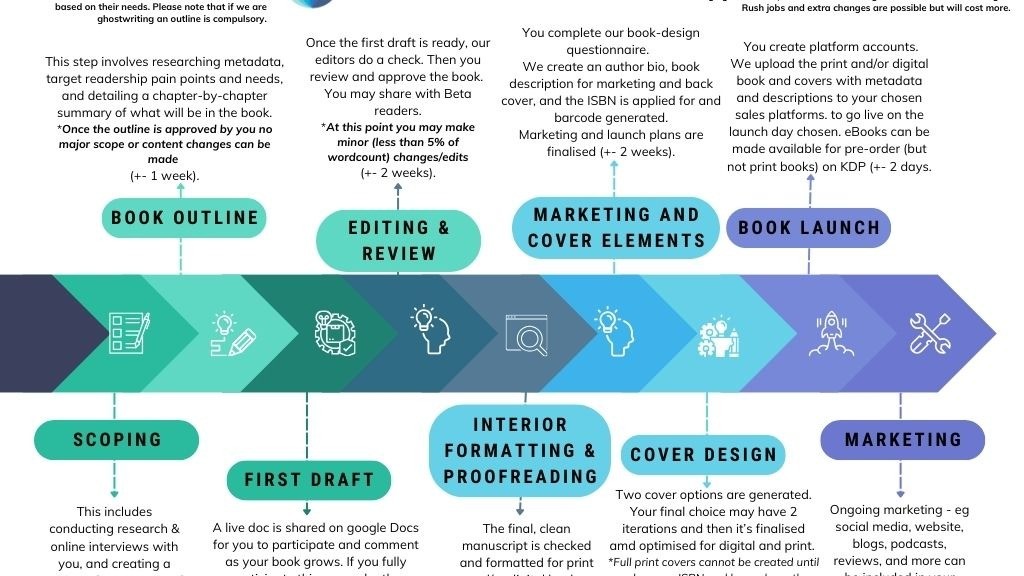
The Psychology of Writing Series: Emotional Arousal and how it makes your writing memorable
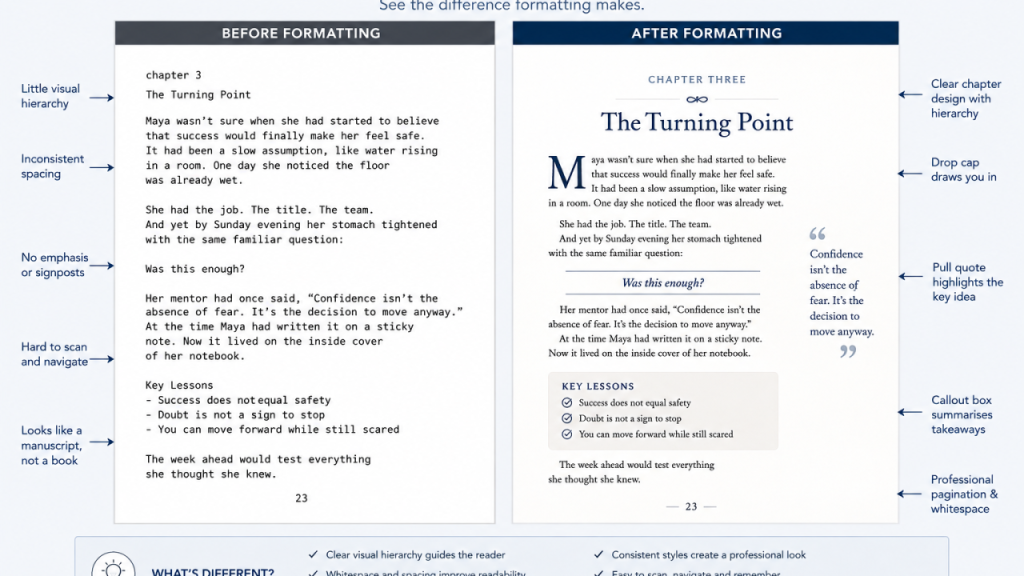
The Psychology of Writing Series: Emotional Arousal and how it makes your writing memorable

The Psychology of Writing Series: Emotional Arousal and how it makes your writing memorable

The Psychology of Writing Series: Emotional Arousal and how it makes your writing memorable

The Psychology of Writing Series: Emotional Arousal and how it makes your writing memorable

The Psychology of Writing Series: Emotional Arousal and how it makes your writing memorable
The Psychology of Writing Series: Emotional Arousal and how it makes your writing memorable

The Psychology of Writing Series: Emotional Arousal and how it makes your writing memorable
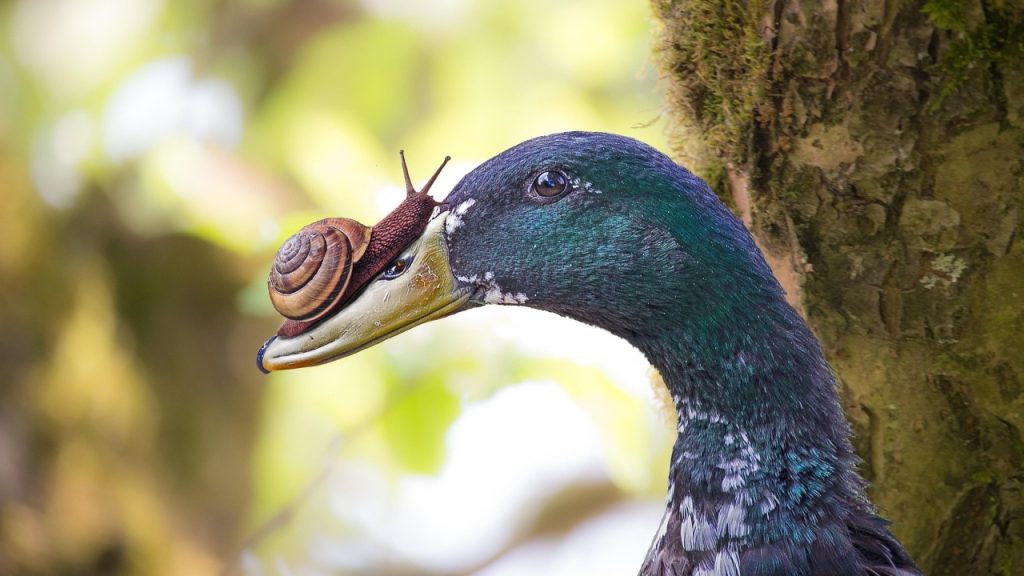
The Psychology of Writing Series: Emotional Arousal and how it makes your writing memorable
